Now Shmear This

Tofutti has become so ubiquitous in both specialty and mainstream grocery stores, it’s hard to imagine life without it. Many a vegan cheese cake has been born from those plastic tubs of non-dairy spread, and countless bagels topped with their creamy contents. So devoted am I to this classic staple, which has been around since the infancy of my veganism and beyond, it’s simply difficult to imagine having any other cream cheese in my life. Galaxy Foods wants to change all that though, and has officially entered the battlefield with their brand new vegan cream cheese.

The differences between brands are subtle, but noteworthy. Immediately upon peeling back the protective plastic, it was evident that the textures would be distinctly divergent. Much softer and easy to spread straight out the fridge, the Classic Plain from Galaxy definitely had the upper edge on consistency for everyday eating.

Delightfully but still mildly tangy and well-rounded, the stellar flavor makes this option a serious contender. With just the right balance of salty and sour elements, it’s a very pleasing and agreeable shmear overall. Truth be told though, while I would be perfectly happy eating Galaxy’s version, Tofutti might still be my personal preference in that department.

More importantly, however, how would this newcomer hold up to dessert applications? This was a job for my favorite cream cheese frosting recipe!

What had been a positive aspect previously was now a big negative- Too soft to properly pipe, thanks to that more spreadable texture, I tried to compensate with more confectioner’s sugar, but to no avail. The frosting remained more gooey than desired, and became too sweet through the process of trying to correct the issue.

Adding a bit more of a savory spin to things, the Chive & Garlic cream cheese introduces a few pale green flecks of herbs into the mix. Impressed by the concept but not so much the execution, I could barely taste either of the star ingredients. They’re subtle flavorings, to say the least. Taking that idea and running with it, though, I rolled balls of the cream cheese in a mixture of fresh chives, lemon zest, and chopped pine nuts, and was thrilled with the results. Perfect for serving at a party to spread on toast or crackers, those simple additions accentuated and greatly enhanced the existing herb essence.

Compared to existing non-dairy cream cheeses or tasted without any point of reference, this is unarguably a highly viable and tasty substitute to anything made with cow’s milk.

Uncheese, Uncomplicated

17 years later and still in mainstream circulation, it’s clear that the The Ultimate Uncheese Cookbook by Jo Stepaniak has serious staying power, and pearls of wisdom still ripe for the picking. Even in this modern day and age of easily available store-bought non-dairy cheese substitutes, found in a vast array of flavors, with many that even melt and taste good, there is still room in the kitchen for homemade renditions. For the avid DIY-er or frugal cooking enthusiast, The Uncheese Book remains the unchallenged authority on the subject. Reprinted and updated in 2003, it remains largely unchanged since its initial 1994 release, and considering how drastically the face of veganism has morphed since then, that fact should speak volumes by itself.

Not to say that this tome of cheesy concepts is entirely infallible, however. After a few trials of my own, it became startlingly clear that the recipes within could be very much hit-or-miss affairs. Most intrigued by the idea of making block cheeses at home that could be sliced and grated at will, I started near the back of the book rather than the beginning.

After all, the possibility of homemade vegan “Gooda” was just too tempting to resist. An old childhood favorite, small wheels of smoked gouda almost always found their way onto the hors d’oeuvre table at many family functions, and had me hooked for most of my preteen years. Firm but easily sliced, the consistency of the milk-less cheese surpassed my expectations from the moment it cooled and solidified. However, eaten straight away that same day, it struck me as having a pungent mustard flavor. Having utilized smoked paprika and hickory-smoked sea salt to impart a subtle undertone, it had just the right lightly smoke-y nuance… But was far from any smoked gouda I could recall. With confirmation from my cheese-eating mother, I was initially disappointed in this wild experiment, and tossed my unloved wheel into the fridge. Forgotten for two days, it managed to mature considerably, and was quite agreeably improved upon second taste. I still can’t claim it will calm any authentic gouda cravings, but I would not be ashamed to serve this up at any party.

Moving on to the Muenster, or what I used to refer to as “monster” cheese, once upon a time, it was a lovely little number, all dressed up in ruby red paprika and begging to be shown off to friends and family. This is the “cheese” that stole my heart, my favorite of the book thus far and a savory treat so good, I don’t think I shared even a sliver. Mild but creamy, with an addictive umami-sort of whisper throughout, I would argue that this one might be able to fake it as “real” cheese. Perfectly complimented by the paprika coating, lending the pale block both a pop of color and sweetly spicy flavor, it was a delight to behold both with the eye and palate. This recipe alone is worth the full cover price of the book, and then some.

Less successfully, I also tried the Almond Cream Cheez… Let’s just say, this one should get a pass, or perhaps a severe edit. The main issue likely stems from the use of arrowroot, which gives the so-called spread a texture more akin to gooey pond scum than any edible item. There is hope for this misguided shmear, however, as the flavor itself was shockingly spot-on for cream cheese. Even dressed up as cute little cucumber and olive canapes, there was no saving that slime. Lightly tangy and with just the right balance of salt, I continued attempting to eating it time and again since the taste was so perfect, but the textural issues were simply unforgivable. With perhaps a bit of love and a new thickener, it could certainly become a winning option as well.

Branching out a bit into composed dishes, I found the suggestion of a vegan Blintzes wholly intriguing, and highly worthwhile. Made of gluten-free, chickpea flour-based crepe and mashed tofu filling, the recipe was deceptively simple. My own sad crepe-making skills may be largely to blame, but truth be told, I couldn’t get one whole crepe out of this mix as written. Only after adding a good measure of glutenous white flour was I able to turn out a feeble three or four flat pancakes. Tasted alone, the assembly was admittedly rather bland, but paired with a basic blueberry sauce, deemed not at all bad by all eaters present. The labor may not be worth such a lukewarm review, but once more, I feel that there is immense potential given a few more flavorful tweaks.

Considering the overwhelming list of options, I would hardly consider my review to be exhaustive, though, and would strongly urge anyone interested to give it a gander for yourself. Whole sections of appealing savories such as stews, casseroles, and other main dishes went entirely untouched, so I have no doubt that the potential to find more stellar recipes is a 100% likelihood. All things considered, I think that this is still a cookbook that every vegan or otherwise lactose-intolerant person should own.

Au Naturel

I’ve got to hand it to them- The folks at Book Publishing Co. really know how to get serious blog coverage, as proven by the halfdozen reviews for The Natural Vegan Kitchen I’ve already spied floating about the blogosphere. Tempted by my very own copy for review, plus the opportunity for readers to win one or one of many other vegan cookbooks for themselves, it was an offer I couldn’t refuse, either.

Based on the cooking principals of macrobiotics, the emphasis on health and whole foods can be seen in every recipe, right down to the nutrition facts posted at the bottom of each page. A boon for anyone concerned about what they eat, the virtues of these methods are clear and proven in black and white. However, since most tasty nightshades are frowned upon, desserts are made without white flour or sugar, and fat is kept to a minimum, I had to wonder: At what price did these nutrition stats ring in?

Diving right in at my favorite section, desserts, the Lemon Kanten Parfaits sounded like wonderfully invigorating, citrus treats to brighten up these lingering wintery days. Skeptical of a dessert sweetened solely with apple juice, it wasn’t until I took my first spoonful that I really saw the potential in this assembly. Light, refreshing, and surprisingly satisfying, I might have preferred that the kanten set up a bit more firmly, and had a more intense lemon flavor, but I can definitely taste the makings of a winner here. Opting to laying on crushed oatmeal cookies to lend a more decadent quality and finishing off with a dollop of rich cashew creme, the dessert on a whole was wonderfully well-balanced. Call it the sleeper hit of the book, I was greatly impressed by this initial offering.

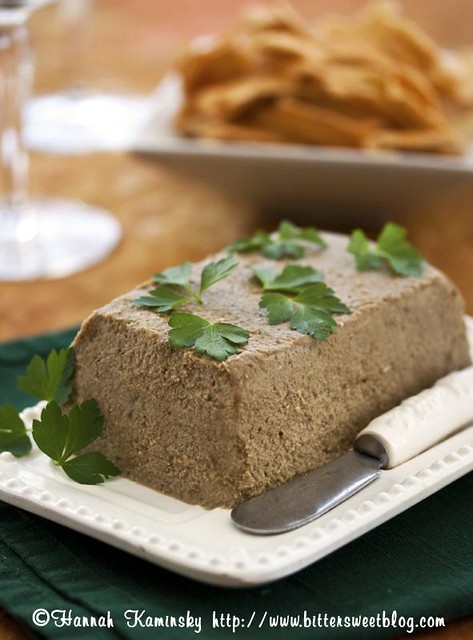
Unfortunately, the same can not be said about the Lentil-Walnut Pate. Thrilled to discover that I already had everything required on hand, I whipped it up in a flash and was chowing down in no time. What met my tongue, however, was a bland, mushy paste completely devoid of personality or interest. Perhaps with more aggressive seasoning or a creative blend of flavorful spices, it might be improved, but this one as written gets a big “thumbs down” from me.

Craving a hearty meal to warm up a chilly evening, the Moroccan Vegetable Stew Over Couscous immediately stood out as a “must make.” Substituting soy curls for the seitan and switching out the currants for green peas, (due to my well-documented distaste for dried fruits in savory dishes) the preparation was very straight-forward and dinner was on the table before I could even arrange place settings. Packed with tender butternut and the “meaty” duo of soy curls and chickpeas, all served over fluffy couscous, this was one seriously satisfying dish. Warmly spiced but not hot, even the most timid of palates could appreciate this flavor profile. Rounded out by the inherent sweetness of the squash, yet again, I found it an incredibly well thought out composition of complementary elements.

Yield: Makes 6 Servings

Moroccan Vegetable Stew over Couscous

Moroccan Vegetable Stew over Couscous
No Ratings

Packed with tender butternut and the “meaty” duo of soy curls and chickpeas, all served over fluffy couscous, this was one seriously satisfying dish. Warmly spiced but not hot, even the most timid of palates could appreciate this flavor profile.

Prep Time 5 minutes
Cook Time 20 minutes
Additional Time 30 minutes
Total Time 55 minutes

Ingredients

Moroccan Vegetable Stew

  • 2 Tablespoons Water
  • 1 Teaspoon Olive Oil
  • 2 Medium Carrots, Sliced Thinly
  • 2 Cups Peeled and Cubed Butternut Squash
  • 1 Cup Diced Onion
  • 2 Cloves Minced Garlic (2 Teaspoons)
  • 1 Teaspoon Ground Cumin
  • 2 Cups Cooked Chickpeas
  • 2 Cups Thinly Sliced Seitan or Rehydrated Soy Curls
  • 1 14-Ounce Can Diced Tomatoes
  • 1 1/2 Cups Vegetable Broth
  • 1/3 Cup Frozen Peas
  • 1/2 Teaspoon Ground Cinnamon
  • 1/2 Teaspoon Salt
  • 1/8 Teaspoon Crushed Red Pepper Flakes

To Serve

  • 1 Cup Dry Couscous
  • 2 Tablespoons Chopped Fresh Parsley
  • 2 Tablespoons Lemon Zest

Instructions

  1. Heat the water and oil in a stock pot over medium heat. Add the carrots, butternut, onion, garlic, and cumin. Cook and stir occasionally for 5 – 10 minutes, until the vegetables are tender. Add in the chickpeas, seitan or soy curls, tomatoes, broth, peas, and spices, and bring to a boil over medium-high heat. Decrease the heat to low, cover, and simmer for 30 minutes so that the flavors can meld.
  2. Cook the couscous according to the instructions (I typically boil twice as much water by volume to couscous, turn off the heat, add the dry couscous, cover, and let sit for 5 minutes. Fluff with a fork before serving) and ladle the stew over the couscous. Top with parsley and lemon zest to garnish.

Notes

Adapted from The Natural Vegan Kitchen by Christine Waltermyer with Permission from Book Publishing Co

Nutrition Information:

Yield:

6

Serving Size:

1

Amount Per Serving: Calories: 344Total Fat: 3gSaturated Fat: 0gTrans Fat: 0gUnsaturated Fat: 2gCholesterol: 0mgSodium: 458mgCarbohydrates: 50gFiber: 11gSugar: 9gProtein: 31g

Viewed Through a Different Lensi

Whether it officially came from China or Italy, there is one thing that absolutely everyone can agree on: Pasta is delicious, in all of its various forms. I have yet to meet a single person who flat out did not like pasta, any sort of pasta, or couldn’t be won over with a few persuasive dinners. Should such a person actually exist out there who refuses to be swayed, I simply don’t want to know them. Satisfyingly toothsome, uncomplicated, laughably easy to prepare, and an ideal blank canvas for every sauce, vegetable, and protein conceivable; what’s not to like? Even the cheapest, mass-produced noodles are happily incorporated into richly sauced dishes without protest. As I stirred $.80/pound pastina into a vat of minestrone one evening, I thus had to ask myself, Is there any merit in seeking out a higher standard in pasta production?

The answer is resolutely “Yes!” Although Pasta Lensi took the pain out of the experiment by providing two bags for trial, I know for sure that this will change my pasta purchasing habits. Touted as “authentic Italian pasta,” Pasta Lensi comes in 16 shapes, some familiar and some novel, each made of simply durum wheat semolina and water. In a food so simple, you can really taste the purity of the ingredients, and these noodles truly allow the golden, slightly toasted and vaguely nutty flavor of wheat to shine though. Instead of being just a bland base, these unique noodles actually have flavor– Imagine that! And like any real food stuffs, these even have expiration dates printed on the bags, which I have never seen on the usual blue boxes that land in my shopping cart.

As soon as I lay eyes on the Gigli, I knew it was destined to support a hearty, full-bodied stew of a dish. Considering the open bottle of red wine in the fridge, it didn’t take long for me glom on to the idea of a mushroom and seitan bourguignon. That incredibly rich, decadent stew is worthy of a post in itself, but for now, I was fixed on how the pasta would hold up. Needless to say, there needn’t have been any doubt in my mind, as the unique shape was perfectly suited to hold that sauce and complement the “meat” of the matter. A seriously satisfying bite, the varied thickness added interest and texture like I hadn’t expected, lending a pleasant density and heft overall.

It wasn’t long before the Trottole made it’s aspirations clear, and I could hear it crying out for a creamy white sauce, much like the traditional spirals in macaroni and cheese. Keeping it simpler and less cheesy, I went for a quick herbed bechamel sauce with broccoli, which was happily held between the springy twists. Who needs cheese, real of faux, when you can make such a luscious sauce out of merely soymilk? For something so potentially pedestrian, it was truly the pasta here that elevated the dish to something worth of dinner party status.

Though fancy shapes may not always be in the budget, it is clear that higher quality basics will always be worth the price, and Pasta Lensi will be at the top of my “splurge” list.

WholeSoy Story

Plagued by a bad reputation and image issues for years, it’s safe to say that vegan yogurt has finally moved out of the dark corner of specialty health food store and into mainstream markets. Once viewed as a sad substitute, more akin to radioactive sludge than cultured dairy products, this basic staple has come a long way in a very short time.

My favorite flavors tend to skew towards citrus; orange, lemon, key lime, or grapefruit if you’ve got it. Tart, brightly acidic, intense but in a good, “wake you up” sort of way, the best options are just lightly sweetened. Bright and punchy, but still well balanced by a moderate amount of sugar. Thick, rich, and almost like custard, it’s been hard to find anything quite like it since WholeSoy & Co went under.

Unexciting as it may sound, unsweetened plain yogurt is my mainstay these days. This blank canvas can open the door to all sorts of cooking and baking applications, from sweet to savory and all things in between. Without the vaguest hint of sweetness and a very tangy finish, it has almost a cheesy flavor. Thoroughly drained and pressed, I can easily see it becoming a delicious farmer’s cheese type of spread! I couldn’t wait long enough to find out, but after two days sitting in cheesecloth, it did thicken up nicely to create…

Frozen yogurt. Blood orange frozen yogurt, to be precise. I must have caught the ice cream bug again because all of a sudden, I just can’t stop churning! With a few more gorgeous blood oranges languishing in the fridge, I felt compelled to do something special with them, and this easily fit the bill.

Bold and tangy, the citrus sings a pitch-perfect harmony with the yogurt base. Crunchy shards of caramelized peel add in bursts of intense orange flavor, accompanied by deep, burnt sugar notes to round it all out. This recipe takes a bit more patience than your standard frozen dessert, but it is absolutely worth the wait.

Yield: Makes About 1 Quart

Blood Orange Frozen Yogurt

Blood Orange Froyo
No Ratings

Blood orange juice colors and flavors this frozen treat with a rich citrus infusion. Crunchy shards of caramelized orange peel add in bursts of intense flavor, accompanied by deep, burnt sugar notes to round it all out.

Prep Time 30 minutes
Cook Time 1 hour
Additional Time 2 days 6 hours
Total Time 2 days 7 hours 30 minutes

Ingredients

  • 1 (24-Ounce) Container Unsweetened, Plain Vegan Yogurt
  • 2 Blood Oranges
  • 1/2 Cup Granulated Sugar
  • 1/2 Cup Water
  • 3/4 Cup Light Agave Nectar
  • 2 Tablespoons Grand Marnier, Limoncello, or Vodka
  • 1/2 Teaspoon Vanilla

Instructions

  1. line a strainer with two layers of cheesecloth, place over a large bowl to catch the drips, and pour all of the soy yogurt in. Cover the top with another sheet of cheesecloth, and place the plastic yogurt container lid on top of that. Use a can of beans or tomatoes (anything you’ve got) as a weight by putting it squarely on top of the plastic lid. The lid is there to disperse the weight a bit, and prevent yogurt from squeezing out around the sides of the can. Let sit in a cool place (but not the fridge) for approximately 48 hours, until 1/2 cup of “whey” has drained out.
  2. Meanwhile, take your oranges and remove the peel in long, thin strips. Cut away as much pith as possible, and reserve the oranges’ flesh for later. Place the peels in a small sauce pan and add water to cover. Bring it to a boil, turn off the heat, and thoroughly drain away the liquid. Cover again with fresh water, and repeat this process for a total of 3 times. This will help to remove excess bitterness.
  3. Next, add in the the sugar and 1/2 cup of water, turn on the heat to medium, and bring it to a boil. Once the sugar has dissolved, reduce the heat slightly so that it’s stays at a gentle but energetic simmer. Swirl the pan every few minutes, until the sugar begins to take on a golden amber color. At the point that the mixture is fully golden brown and caramelized, quickly pour everything out on a silpat or piece of
    parchment paper, and do you best to separate the peels. Let cool completely before breaking into small shards. Save them in an air-tight container to prevent the sugar from melting or softening.
  4. With both of the most difficult elements ready to go, transfer the drained yogurt into your blender or food processor, along with the agave, alcohol of choice, and vanilla. Trim away any remaining white pith from the reserved orange flesh, remove pips if you spot any, and toss the whole oranges in as well. Blend thoroughly, stopping to scrape down the sides of the bowl as needed, until completely combined and perfectly smooth. Be patient, and don’t worry if the mixture becomes rather warm in the process.
  5. Chill thoroughly for at least 2 hours before churning in your ice cream maker according to the manufacturer’s instructions. As you transfer the soft, fresh frozen yogurt into an air-tight container, fold in your caramelized orange peel shards.
  6. Stash the containers in your freezer for at least 4 hours before scooping and serving. The peels will eventually soften over time, so this is best served within a week, though it can certainly be stored longer.

Recommended Products

Please note that some of the links above are affiliate links, and at no additional cost to you, I will earn a commission if you decide to make a purchase after clicking through the link. I have experience with all of these companies and I recommend them because they are helpful and useful, not because of the small commissions I make if you decide to buy something through my links.

Nutrition Information:

Yield:

8

Serving Size:

1

Amount Per Serving: Calories: 169Total Fat: 0gSaturated Fat: 0gTrans Fat: 0gUnsaturated Fat: 0gCholesterol: 1mgSodium: 17mgCarbohydrates: 36gFiber: 1gSugar: 33gProtein: 1g

All nutritional information presented within this site are intended for informational purposes only. I am not a certified nutritionist and any nutritional information on BitterSweetBlog.com should only be used as a general guideline. This information is provided as a courtesy and there is no guarantee that the information will be completely accurate. Even though I try to provide accurate nutritional information to the best of my ability, these figures should still be considered estimations.


Nothing Fishy About It

Long gone is the notion that sushi, in all of its various interpretations, is exotic cuisine.  Though still a fine delicacy in the right hands, the humble roll has also undergone detrimental adaptions to become easily accessible “fast food,” palatable to the crudest of tastes and tightest of budgets.  Somewhere in the middle of that spectrum falls the everyday sort of sushi, an option that most people can imagine grabbing after a long day’s work, pretense not attached.  Despite the nearly universal acceptance of this concept, once verboten due to the shocking raw fish at the heart of the concept, it still shocks some people that a vegan might partake as well.  Composed not of uncooked aquatic creatures, but any fresh veggies under the sun, one would think that vegetable sushi should be brainlessly simple, not to mention far more budget-friendly for restaurateurs and diners alike.  Alas, typically restricted to limp cucumbers and rapidly browning, mushy avocado, the vegetable rolls rarely impress, and fall depressingly short of their full potential.

Though I rarely feature local eateries, Miya’s Sushi in New Haven, CT is one place that anyone can take inspiration from, even if a trip there is out of the question. Boasting the most expansive and creative vegan sushi menu I know of, this is one restaurant where I know that I will not only be able to find a decent meal, but one worth remembering. Additionally, Miya’s holds the title as one of the most sustainable sushi stops in the US, an honor of no small importance even to those not partaking in the pescetarian options.

Flamboyant names like Charlie Chan’s Ching Chong Roll precede brilliantly filled bundles of their signature multigrain rice. Not the most descriptive perhaps, but one taste of the flavorful broccoli, roasted garlic, and black bean combo tucked within, and the somewhat questionable title can easily be forgiven.

Not to be missed is the Killer Squid Roll, which seeks to approximate the chewy texture of squid tentacles with toothsome lengths of tempura-fried udon. Marinated in mushroom stock, they even posses that elusive umami quality so hard to attain without the bonito usually ubiquitous in Japanese cooking. Request additional whole mushrooms in this one for an savory experience worth dreaming about. Though originally not one I had intended to order, it may have ultimately been my favorite of the evening.

Eggplant may not sound like the most sushi-friend vegetable, but cooked to a meltingly tender state and accented with spicy miso, avocado, and scallions as in the Mount Fuji Roll, even eggplant-haters will be won over by this artfully seasoned rendition.

Unphotographed but not to be forgotten in the It’s a Great Pumpkin, Miso soup, one of the very few vegan miso soups out there, and easily the only that I’ve tasted which possess such a depth of flavor. Replete with tiny bites of sweet pumpkin, it’s a must for every time I visit.

Not all of the vegetable options are vegan, as many involve cheese, but the staff at Miya’s are patient and graciously open to making substitutions when asked. Don’t get stuck in a veggie sushi rut ever again- Try something different, don’t be afraid to experiment with unorthodox rolls! Just hearing some of their ideas makes me want to try them out in my own kitchen, so no matter where you are in the world, their menu can be a springboard of inspiration.